

Sovereign AI: models, data and infrastructure under your own jurisdiction
A local hosting region does not make an AI capability sovereign. Owning the hardware and holding the model weights does, when you can show that no one else is in the path.
What is sovereign AI?
- Sovereign AI
- Sovereign AI is the capability to deploy and operate artificial intelligence using infrastructure, data and model weights that remain under the legal and operational control of a single organisation or nation. It needs more than a local data-centre region. No outside party should be able to read the data, withdraw the capability or change the system without consent.
Sovereignty and isolation are related but separate questions. For running with no network path at all, see air-gapped AI.
What sovereignty actually requires
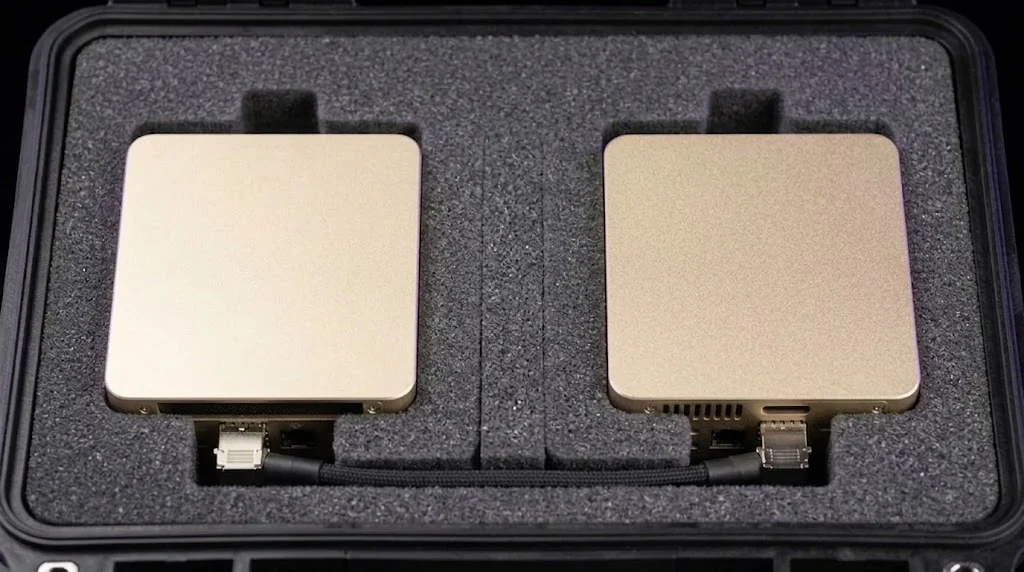
An AI capability delivered as a foreign-operated service can be subject to another country’s legal process, repriced, withdrawn or restricted by policy. RAPTOR deals with this through ownership rather than contract terms: the models are open-weight files on a unit you own, run by your own people, in a location you choose.
Data sovereignty
Inputs and outputs stay on the unit, inside your boundary. There is no outbound telemetry and no vendor-side logging, so the data never leaves your jurisdiction.
Model sovereignty
Open-weight models are stored on the device. The version you accepted is the version that runs, and no one outside can swap, throttle or withdraw it.
Infrastructure sovereignty
The compute is hardware you have bought and can see. Capacity is not shared with other tenants and does not depend on an allocation somebody else controls.
Operational sovereignty
Your people run it. Deployment, configuration, observation and updates all happen from the console on the unit, with no support tunnel to an outside party.
Local cloud region versus sovereign deployment
| Question | Local cloud region | RAPTOR |
|---|---|---|
| Who operates the platform | Local cloud region:A foreign provider | RAPTOR:Your own staff |
| Whose legal process applies | Local cloud region:The operator's, as well as yours | RAPTOR:Yours |
| Who can change the model | Local cloud region:The provider | RAPTOR:You |
| Who can withdraw the service | Local cloud region:The provider | RAPTOR:Nobody: no licence check, no remote switch |
| Where the weights live | Local cloud region:On their infrastructure | RAPTOR:On your device |
| What happens without connectivity | Local cloud region:Nothing works | RAPTOR:Everything works |
Sovereign AI: common questions
Tell us what you need to process
We size and quote a configuration to your workload and, where your security posture allows, set up an evaluation on your own material.